


The Wall Walkers Journal
Entry 007 — Building the System We Couldn’t Buy
When existing software couldn’t deliver the seamless 24/7 experience Wall Walkers needed, we built our own—learning through bugs, edge cases and the real people who put every part of it to the test.
By the time Wall Walkers became a genuine 24/7 bouldering gym, we had already solved one problem.
We knew why we wanted to do it.
The next challenge was figuring out how.
From the outside, 24/7 access looks simple.
- Buy a membership.
- Unlock the door.
- Go climbing.
Behind the scenes, it’s anything but.
A Solution That Didn’t Exist
When we first started researching access control systems, I honestly thought we’d find an existing solution that did everything we needed.
Surely someone had already solved this problem.
The reality was very different.
- There were plenty of access control companies.
- Plenty of security companies.
- Plenty of software providers.
Most of them built fantastic systems…
Just not for us.
Many were designed for large corporate gyms, office buildings, banks or commercial facilities.
They weren’t designed for a small independent bouldering gym trying to create a seamless experience for members and casual visitors.
Finding the Right People
I spent weeks calling companies.
Dozens of them.
Some never answered the phone.
Some never returned emails.
Some simply weren’t interested once they realised we weren’t a large national chain.
Eventually, we found a company that was willing to work with us.
They were excellent.
We spent hours discussing:
- Access control.
- Alarms.
- Cameras.
- Lighting.
- Safety systems.
- Risk management.
Those conversations became just as important as the technology itself.
Everything Had to Work Together
Everything had to work together.
- The lights.
- The alarms.
- The doors.
- The security.
- The membership and billing system.
None of those things could operate independently.
If one part failed, the experience failed.
As those discussions continued, another problem became obvious.
The software.
There were plenty of products that solved individual problems.
- Membership software.
- Payment systems.
- Access control.
- Waivers.
- Casual bookings.
On paper, it looked like we could simply connect them together.
In reality, every connection introduced another complication.
- Another subscription.
- Another integration.
- Another potential failure.
The more we explored that path, the more complicated it became.
Building Software Around the Business
Eventually, I realised we had two choices.
Build our business around somebody else’s software…
Or build software around our business.
We chose the second option.
Looking back, I’m not entirely sure I appreciated what I was signing myself up for.
The first version of our system worked.
Mostly.
Then we discovered another problem.
And another.
And another.
The Challenge Was Making It Seamless
The biggest challenge wasn’t building individual features.
It was making everything work together seamlessly.
- A member purchases a membership.
- The payment clears.
- The waiver is complete.
- Their access updates.
- The door unlocks.
- Their visit is recorded.
Every one of those steps has to happen correctly.
Every single time.
If just one tiny part fails, someone is standing outside the front door wondering why they can’t get in.
Edge Cases Became Our Teachers
Those tiny edge cases became our biggest teachers.
- A missed payment.
- A cancelled membership.
- A delayed notification.
- A payment gateway issue.
- Something that worked perfectly yesterday suddenly behaving differently today.
There were moments where I genuinely questioned whether building our own system had been the right decision.
Sometimes I’d fix one problem…
Only to discover I’d accidentally created another.
I think every software developer knows that feeling.
Letting the Real World Become the Test
Eventually, there came a point where I realised something.
I could keep testing forever…
Or I could let the real world become the test.
One day I made the decision.
I took down our old website.
I switched everything over.
And I pushed the new system live.
It wasn’t perfect.
Far from it.
There were bugs.
Lots of bugs.
- Members found things.
- Casual visitors found things.
- The error logs certainly found things.
Every day brought another issue to solve.
It was exhausting.
It was also exactly what the system needed.
No amount of testing in a development environment can recreate hundreds of real people using your software in thousands of different ways.
The Click That Represented Years of Work
One memory from that time still makes me smile.
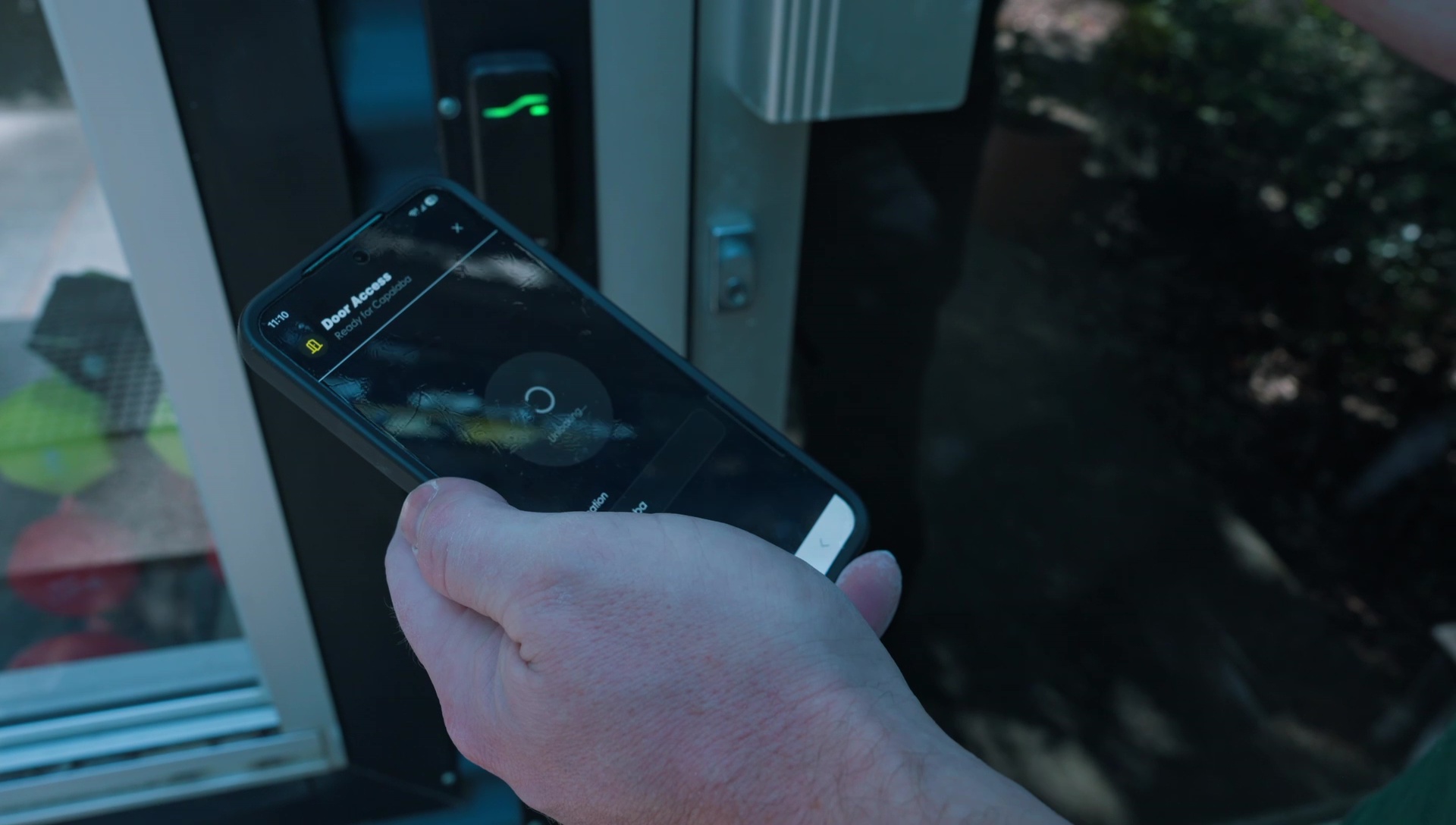
The first time I walked up to the gym, opened my phone, pressed the unlock button…
…waited a second…
…heard the lock click…
…and opened the door.
It was such a small moment.
But it represented years of work.
- The software.
- The hardware.
- The planning.
- The testing.
For the first time, it all came together.
The Experience Is the Product
Even today, the system isn’t finished.
We’re still improving it.
Still fixing edge cases.
Still making the experience smoother.
And I hope that never changes.
Because the system isn’t the product.
The experience is.
Everything we’ve built exists for one reason.
To make climbing easier, more accessible and more enjoyable for the people walking through our doors.
If that means continuing to improve it every single week…
That’s exactly what we’ll keep doing.
In the next journal entry, I’ll share something that surprised me even more than building the technology itself—how our members quietly became one of the biggest influences on the future of Wall Walkers.
We thought building the software would be the hard part.
It wasn’t.
The hard part was building a system that quietly disappears into the background.
The best technology isn’t the technology people notice.
It’s the technology they never have to think about.
If you’re thinking about automating part of your business…
Think bigger.
Don’t just automate one task.
Think about the entire experience.
The real value isn’t in replacing one manual process.
It’s in creating a system where everything works together so seamlessly that your customers never even notice it’s there.
That’s when automation stops being a feature and starts becoming a competitive advantage.